In the fast-paced world of electronics manufacturing, accuracy and consistency at every stage of production are critical. One of the most important processes in any SMT assembly line is solder paste application, which directly impacts product quality, yield rates, and long-term performance. This makes choosing the right solder screen printer not only a technical decision but a strategic one. CY Industry, known for its innovation and engineering excellence, understands that selecting the right printing solution requires more than just matching specifications—it's about finding the right fit for your production goals.
Understanding the Role of a Solder Screen Printer
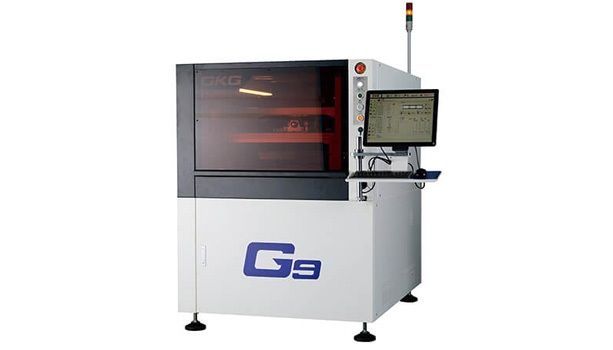
A solder screen printer is the first machine in the SMT production line, responsible for applying solder paste onto the printed circuit board (PCB) with extreme precision. This process ensures that each component will adhere correctly and function reliably after reflow soldering. An advanced solder screen printer uses a stencil, squeegee, and vision alignment system to deposit the paste exactly where it is needed. CY Industry's commitment to precision engineering guarantees that this critical step is executed with exceptional accuracy, reducing the risk of defects and rework down the line.
Solder Screen Printer vs. Manual Printing
While some low-volume or prototype manufacturing operations may still rely on manual solder paste application, the limitations are obvious. Manual printing lacks consistency, is prone to operator error, and can lead to uneven paste deposition, ultimately compromising the final product. In contrast, an automated solder screen printer—like those engineered by CY Industry—offers repeatability, accuracy, and integration into high-speed production lines. These systems use automated alignment, pressure control, and paste inspection to ensure that every board meets rigorous quality standards. For any manufacturer serious about scaling production or improving reliability, automation is no longer a luxury—it's a necessity.
Key Considerations When Choosing a Solder Screen Printer
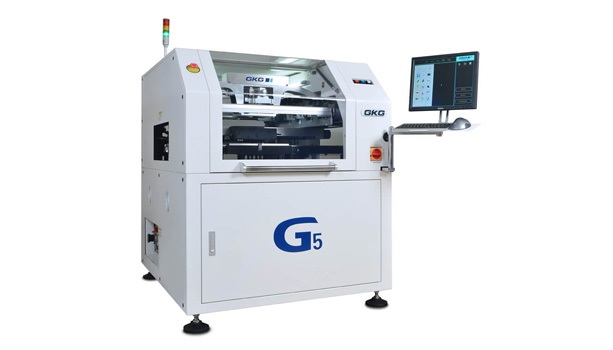
Selecting the right solder screen printer involves evaluating several important factors. First, board size compatibility is crucial—manufacturers should ensure the printer can handle the smallest and largest PCBs in their product lineup. Next, print accuracy and alignment capabilities must meet the design tolerances of your circuits. High-end machines offer advanced vision systems that detect and correct even the slightest misalignments. Another factor is cycle time: for high-volume environments, speed without sacrificing quality is essential. CY Industry's printers strike this balance by offering efficient throughput alongside exceptional precision, helping manufacturers meet tight production deadlines without compromise.
Application Flexibility for Diverse Industries
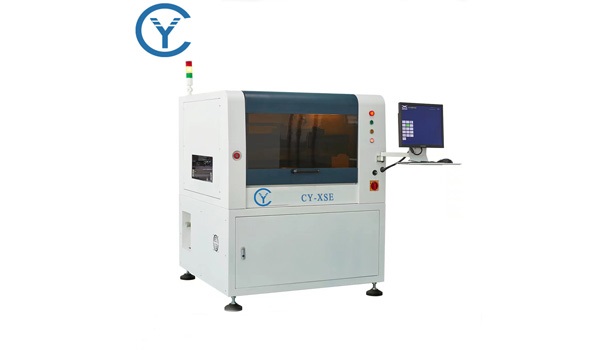
A well-designed solder screen printer must offer flexibility to adapt to different types of boards, solder pastes, and production requirements. From densely populated consumer electronics to rugged industrial control systems, the need for versatility is growing. CY Industry's solutions are built with adaptability in mind, allowing quick changeovers and programmable settings that streamline the transition between product types. This makes them ideal for manufacturers in automotive, medical, aerospace, and consumer technology sectors where product variety and production complexity continue to increase.
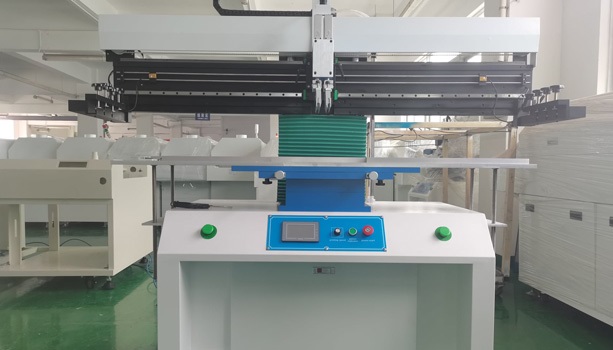
Purchasing a solder screen printer is just the beginning—the value lies in how seamlessly it integrates into your production environment and how well it is supported over time. CY Industry doesn't just deliver machines; it builds long-term partnerships. Their customer-centric approach ensures that every installation is optimized for peak performance, and ongoing technical support keeps operations running smoothly. Whether you're expanding a production line or upgrading from older equipment, CY Industry provides training, guidance, and responsive service that simplifies the transition and maximizes ROI.
In today's competitive electronics manufacturing market, the choice of solder screen printer can define the efficiency and reliability of your entire SMT process. With CY Industry's advanced technology and collaborative approach, manufacturers gain a trusted partner that helps transform precision printing into a strategic advantage.



 Call us on:
  Email Us:
  Building 2, Xingye 1st Road, Fenghuang Community, Fuyong Street, Bao 'an District, Shenzhen, Guangdong, China.